
Kyle Stuart
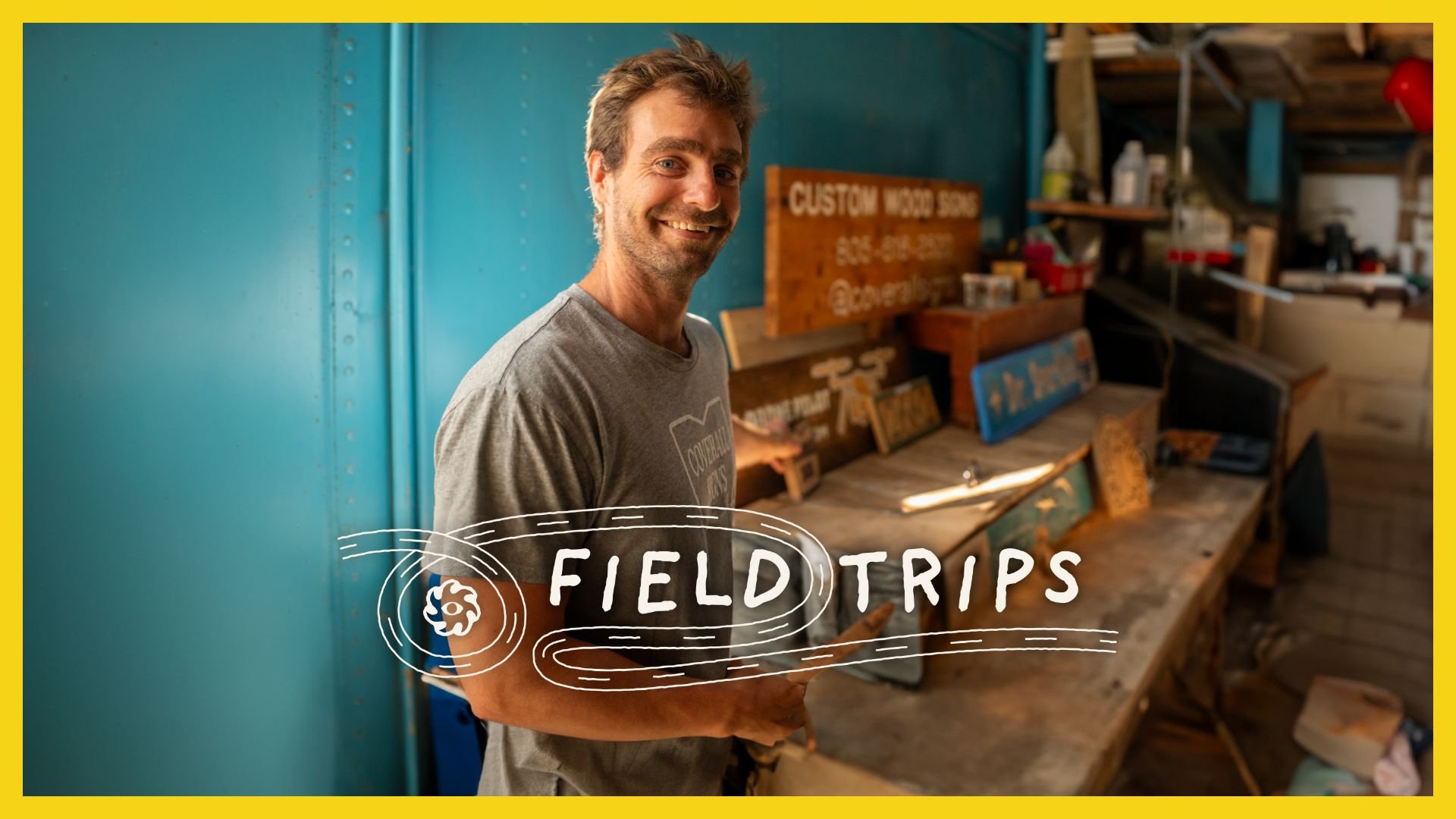
Kyle works like someone who isn’t trying to outrun anything.
In a time where everything is optimized, automated, and sped up, his pace feels almost defiant. He lets the wood argue back. He listens. He waits. And somehow, that patience is exactly what makes the work feel alive.
“Everything that I’ve done in my life,” Kyle says, “has led to what I’m doing now.”
We believe him. Not because the story is neat, but because it isn’t.
Kyle Stuart grew up on an organic farm in Custer, Michigan. That matters. You can feel it in his work. Farms teach you responsibility without applause. They teach you that things take time, that waste is a failure of imagination, that your hands can solve problems long before your mouth can explain them.
When Kyle moved to California at nineteen, there was no narrative arc waiting for him. He worked whatever jobs would keep him going. Personal trainer. Valet driver. Restaurant manager. Years spent learning how to show up, how to manage pressure, how to keep moving when the future isn’t clear.
At Field Trips, we’re less interested in the overnight success story and more interested in the long accumulation of almosts. Kyle is built from those almosts.
The signs arrived the way real things usually do. Quietly. By accident. A handyman job at an RV park. A casual question. Can you make signs?
He said yes without permission or preparation. Bought a handheld router. Cut into redwood for the first time. The result wasn’t perfect. It still isn’t, by his own admission. But it was honest. And honesty has a way of opening doors.
What Kyle makes now with Coverall Signs doesn’t scream for attention. These aren’t trend pieces. They’re anchors. They belong to the places they live in. They feel considered. Weighted. Like they were meant to stay.
That’s what draws us to his work. In a culture obsessed with novelty, Kyle is committed to usefulness. In a world drowning in disposable things, he’s building objects meant to be kept.
He sees value where others see trash. Scrap plywood becomes owl boxes. Offcuts become opportunities. That mindset isn’t aesthetic. It’s ethical. It’s a quiet refusal to waste what still has life in it.
Kyle talks openly about failure. About nothing sticking for a long time. About running a restaurant with twenty employees and still walking away. There’s no shame in the way he tells it. Just clarity.
“You can fail at something and move on.”
That sentence feels like a thesis. Not just for his work, but for how he lives.
In the shop, the process is methodical. Cut. Sand. Shellac. Vinyl. Router. Paint. Peel. Shellac again. Hardware. Delivery. Each step slows the work down on purpose. Watching it, you’re reminded that care doesn’t happen accidentally. It’s chosen over and over again.
But the real reward isn’t the finished sign. It’s the moment of exchange. When a customer sees their idea made physical. When something imagined finally has weight. That handoff is where the work completes itself.
At the end of the day, Kyle stands near the ocean. Malibu just over there. When we ask if he’s happy, he doesn’t hesitate.
He is.
And he knows exactly who to thank. His family back in Michigan. The people who taught him how to work before he ever knew what he wanted to be.
Kyle’s art isn’t loud. It isn’t trying to go viral. It doesn’t need to explain itself.
It just exists. Steady. Useful. Earned.
And in a moment obsessed with speed and spectacle, that feels quietly radical.